VisiaQ.com
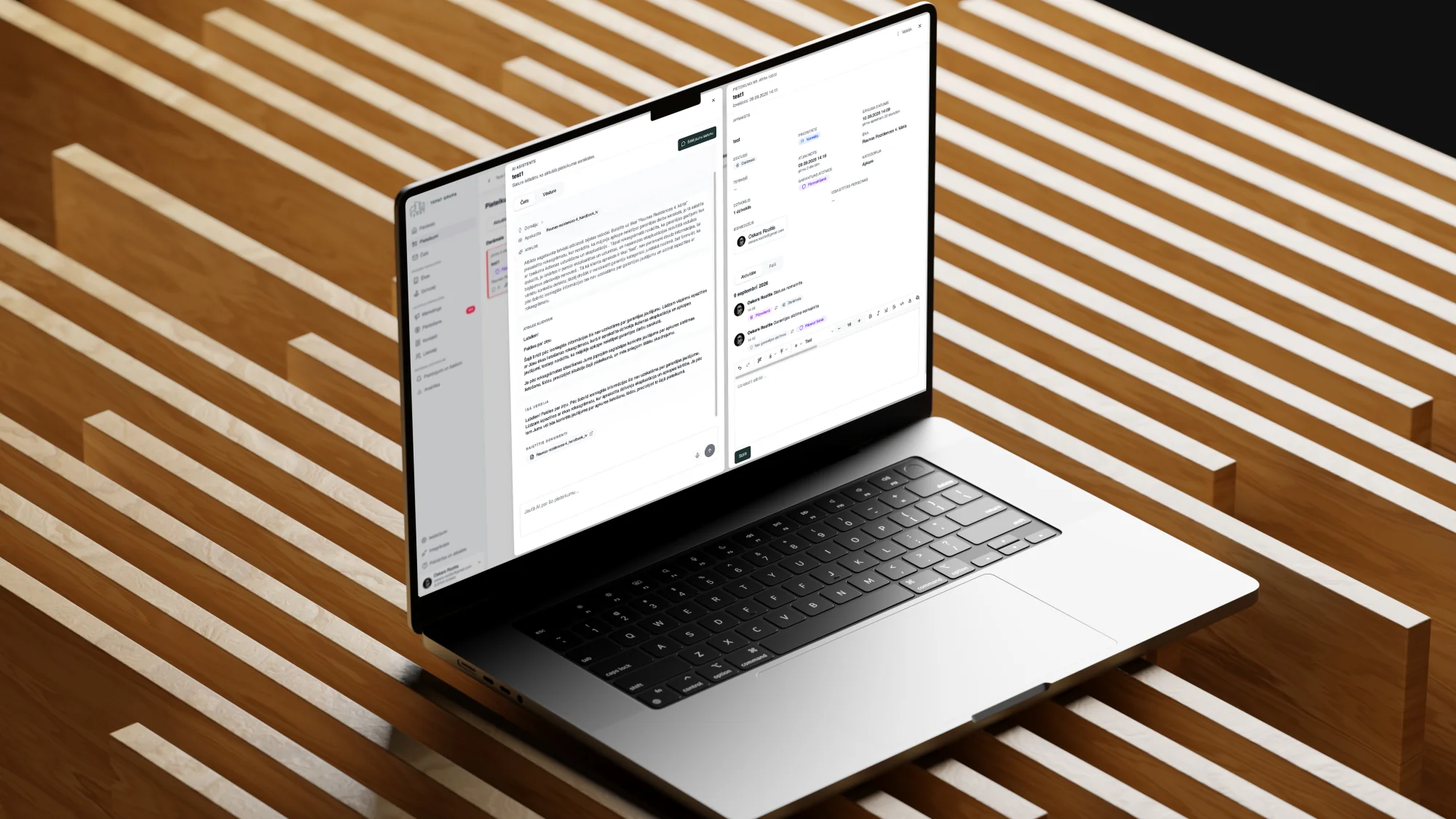
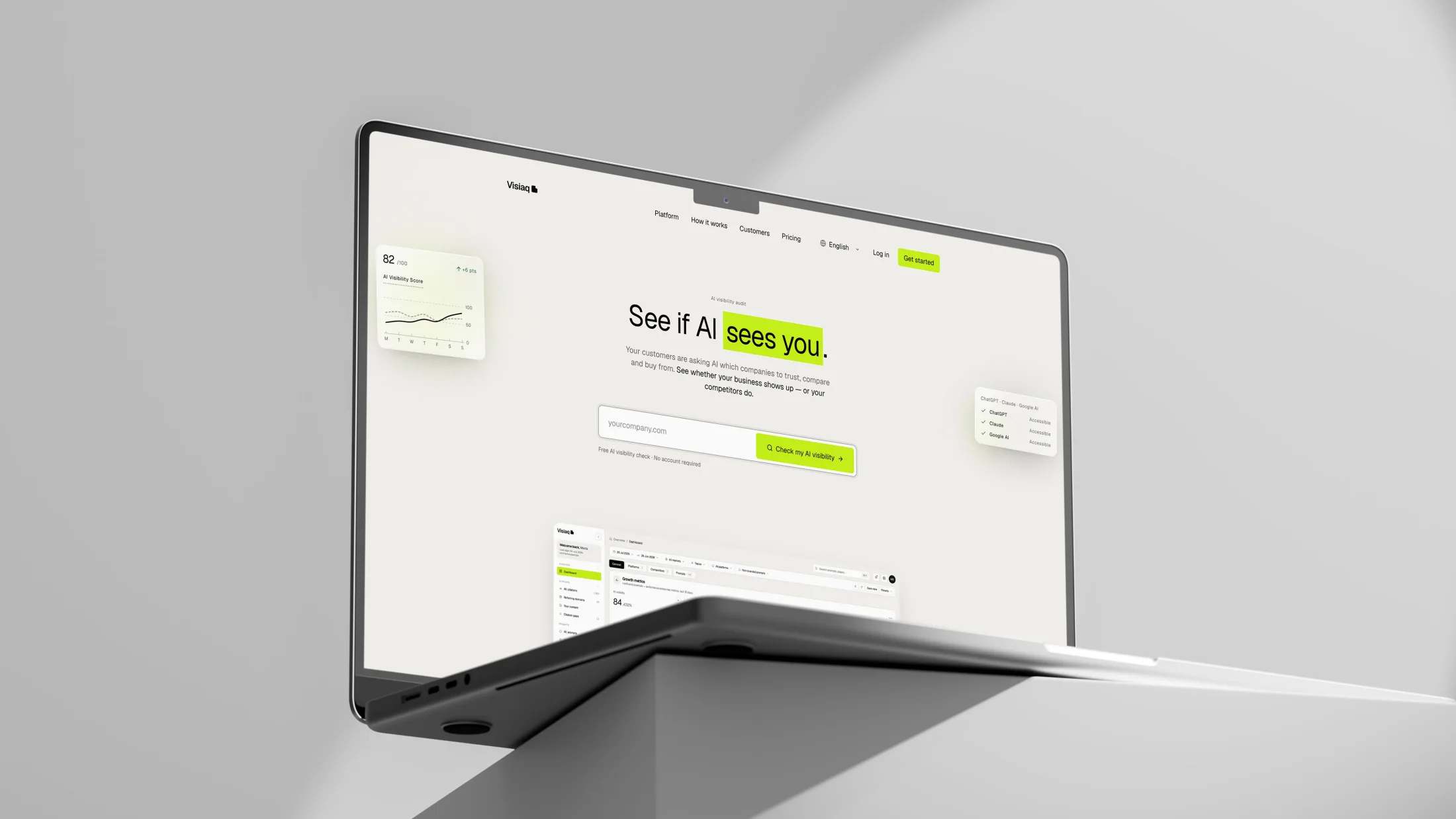
The product website and the application behind it, designed and built together and running on Vercel.
We design and build sites, stores and web apps where enquiries reach your CRM, orders reach stock and accounting, and your team can change content without a developer.
Updating a price, a page or a campaign waits in someone's queue, so the site falls behind the business.
Someone copies them into the CRM by hand, and some are never followed up.
Orders, stock levels and invoices live in separate systems and get reconciled at the end of the day.
Heavy pages, weak structure and missing technical basics cost both visitors and search visibility.
What the site has to achieve: enquiries, sales, bookings or self-service.
Shopify, WordPress or Next.js, depending on what you sell and who will run it.
Structure, content and screens, tested before development starts.
Integrations with CRM, stock, payments and accounting, and a CMS your team can use.
Speed, analytics and improvements after launch, based on how people actually use it.
Clear structure, fast pages and forms that go straight into your CRM.
Shopify or custom stores, with payments, shipping and stock kept in sync.
Positioning, sign-up and product pages built alongside the product itself.
Logged-in areas where customers see their orders, documents or requests.
Custom CRM developmentOrders, leads and bookings passed on to accounting, CRM and email without retyping.
AI automationThe platform follows what you sell and who runs the site day to day, not our preference.
Shopify suits most stores selling standard products. WordPress suits content-heavy sites. A custom Next.js build makes sense when the site needs its own logic or deep integrations.
Yes. Pages, products and campaigns are edited in a CMS, and at handover we walk through it with the people who will use it.
Usually, yes, through the platform's API or an integration layer. We check what your systems support before quoting.
Yes. We start with what works on the current site, what it ranks for and what can be kept, so a redesign doesn't lose what already brings visitors in.
Product and interface design for systems people use every day, ready for development.
Technical structure and content that make a company easier to find in search engines and in AI answers.
CRM and operations systems built around how your sales and service work.
Tell us what the site is for and what it needs to connect to. We'll suggest a platform and a sensible first scope.